Pair Eyewear
- 4.8
- Rating
- 10.00K
- Installs
- Free
- Price

 Analysis by App-foxy
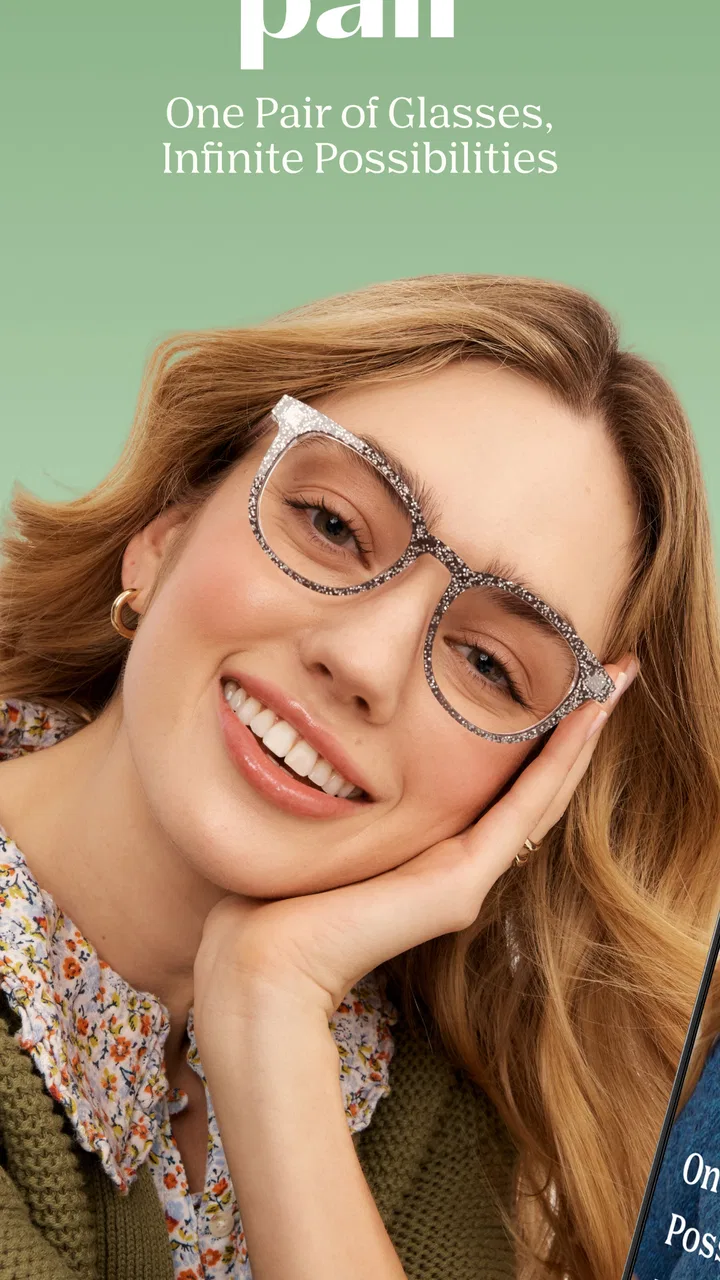
I approached Pair Eyewear as a shopping app for people who want their glasses to feel less permanent. Its focus is customizable glasses and sunglasses, and that immediately gives it a different purpose from a standard eyewear catalog. Instead of treating a frame as a single finished product, the experience is built around the idea that your everyday look can change with different style choices.
That makes the app most interesting for someone who already sees eyewear as part of an outfit, not merely as something to keep in a drawer or use when reading a screen. I found the concept easy to understand, but the real question is whether customization adds enough practical value to justify choosing this shopping experience over a conventional frame retailer. My answer is positive for a particular kind of shopper, with a few important reservations.
How the Pair Eyewear shopping experience works in practice
The app comes from Pair Eyewear, and its place in the Shopping category is clear from the first interaction: this is a product-discovery and purchasing destination rather than a general fashion marketplace. The store summary presents customizable glasses and sunglasses, so the central appeal is not simply browsing colors. It is deciding how much flexibility you want from one eyewear purchase.
You May Also Like

 AccuWeather: Weather Radar
AccuWeather Review: A Quick, Clear Forecast for Everyday Decisions
For everyday plans, the best forecast is the one you can understand quickly. AccuWeather makes rain timing, radar, and local conditions easy to act on, with a few trade-offs.

 Hill Climb Racing
Why Hill Climb Racing Still Turns Crashes Into One More Run
A tiny car, a bumpy hill and one more upgrade: Hill Climb Racing keeps resurfacing because its simple chaos makes every near-miss feel personal.

 AliExpress - Shopping App
AliExpress Makes Global Shopping Feel Personal, but Shoppers Bear the Risk
AliExpress turns a global marketplace into a pocket-sized discovery engine. Its reach is useful, its shopping loop compelling, and its trade-offs easy to miss.

 Lords Mobile: Kingdom Wars
Lords Mobile Is a Kingdom-Building Routine, Not a Quick Match
A case-by-case verdict on the building, battles, device demands, and social commitments that make Lords Mobile rewarding for some players and exhausting for others.

 PDF Scanner app - TapScanner
TapScanner Makes Paperwork Easier to Capture, Check, and Share
TapScanner makes scanning with a phone feel less like a rescue operation and more like a dependable step in getting work done. Its capture tools are useful, though not flawless.

 Block Blast!
 Shows How Much a Puzzle Game Can Leave Out
A quiet grid game shows why puzzle players increasingly value instant clarity, repeatable skill and low-pressure play—and where the genre still needs to catch up.
More From Our News Desk
View All News


I like that distinction because it changes the way I would approach the app. With a typical eyewear store, I usually compare frame shapes, colors, and perhaps lens choices, then make a single decision. Here, I would think about the base frame first and the ways I might want to alter its appearance later. That is a more useful mental model for people who get bored with wearing the same look every day.
The app is free to install, which makes trying the shopping experience a low-commitment decision. That is worth separating from the cost of the products themselves: free access to an app does not mean the glasses or sunglasses are free. I would use the app to explore the available choices and decide whether the customization idea fits my habits before treating it as a purchase destination.
For a shopper, that distinction also helps avoid a common mistake. Installing the app is only the beginning of the buying process. The meaningful value lies in the products, the selected configuration, and the usefulness of owning a flexible eyewear setup. I would not judge the app solely by its download price, because its purpose is to support a retail decision rather than replace the transaction.
Why customization matters beyond appearance
The strongest idea here is practical repetition. A single pair of glasses can feel limiting when your clothing, work setting, or social plans change frequently. Customization can make the same basic eyewear feel more adaptable, especially for someone who wants a quieter look during the day and something more expressive later.
That does not mean every shopper needs a customizable system. If you prefer one neutral frame and rarely change accessories, the extra choice may feel unnecessary. In my view, the app earns attention when customization solves a real problem: wanting variety without having to select an entirely different pair every time your style changes.
A useful way to browse is to begin with your most frequently worn clothes rather than the most eye-catching option on screen. I would choose a base style that works with ordinary outfits, then consider whether the additional choices add genuinely different uses. This avoids spending more attention on novelty than on everyday compatibility.
Another worthwhile test is to imagine a full week rather than a single photograph. Would the frame work at work, while traveling, during errands, and at a casual dinner? If the answer is yes, the customization concept has a stronger chance of delivering value. If the frame only appeals in one carefully styled situation, the app may be encouraging a purchase that does not earn its place in your routine.
What the app is good at helping you decide
I see the app as especially useful during the comparison stage. It gives a shopper a focused place to think about eyewear as a coordinated system instead of jumping between unrelated products. That can make the decision easier for people who are unsure whether they want glasses, sunglasses, or a more changeable approach to both.
It is also a convenient way to revisit a decision without the pressure of standing in a physical store. I would use it when I had time to compare styles calmly, then return later after checking which clothes and accessories I actually wear. That slower process is valuable because eyewear sits on the face and tends to influence the whole appearance more than a small accessory.
The app may also suit households where more than one person has different style preferences, although I would still evaluate each person’s needs separately. Customization can be attractive, but it should not distract from the basic requirements of comfortable, suitable eyewear. A visually flexible option is not automatically the best option for every face, routine, or prescription situation.
One of my practical tips would be to treat screenshots or saved product views as a comparison board while browsing. Rather than relying on memory, I would compare the options side by side and ask which choices are genuinely distinct. This is a small workflow change, but it helps prevent the familiar shopping problem of confusing many similar variations with meaningful variety.
Everyday scenario: one frame, several parts of the day
Imagine someone who starts the morning commuting, spends the afternoon in a casual office, and meets friends after work. A conventional approach might involve accepting one frame for every setting or buying several separate pairs. A customizable setup could be appealing because the wearer can aim for one reliable foundation and adjust the visible style around it.
In that scenario, the app is valuable before the purchase because it encourages a more deliberate decision. I would compare the base frame with the clothes I actually own, then consider which changes would be useful often enough to matter. The important question is not “How many looks can I create?” but “Will I use these differences regularly?”
There is a trade-off hidden in that convenience. More options can make the final choice slower, and a shopper who enjoys browsing may be tempted by combinations that look interesting but do not fit daily life. I would set a simple limit: choose the base style first, identify the two or three situations it must handle, and only then explore customization. That keeps the app from turning a straightforward eyewear purchase into an endless styling exercise.
How it compares with ordinary eyewear shopping
A conventional eyewear app or retailer is often better for shoppers who want the broadest possible selection of unrelated brands and frame types. That approach makes sense when your priority is comparing many independent designs, focusing on a specific shape, or finding the lowest-cost option available through a wider marketplace.
Pair Eyewear takes a narrower but more distinctive route. Its appeal comes from the relationship between the base eyewear and the customizable choices. I would choose it over a general catalog when I wanted a coordinated, repeatable system rather than a large pile of disconnected frames.
The comparison is not simply about having more or fewer products. It is about what kind of decision you want to make. General retailers are useful when you begin with a strict requirement and search outward. This app is more compelling when you begin with the desire for flexibility and explore how that flexibility could fit your wardrobe.
There is also a difference in decision fatigue. A huge catalog can be overwhelming, while a focused customization concept can make the shopping goal clearer. On the other hand, if the available style direction does not match your taste, a broader retailer will probably serve you better. The app’s focused identity is a strength only when it aligns with what you want to wear.
What I would check before committing to a purchase
I would first separate style confidence from eyewear suitability. A frame can look appealing in a product presentation and still be the wrong choice for your everyday needs. Before buying, I would think about how often I wear glasses, whether I need sunglasses for a particular routine, and whether I am comfortable making an eyewear decision through a mobile shopping experience.
I would also examine the final configuration carefully before completing any order. Customization creates more opportunities to select the wrong combination, especially when several choices look similar at a glance. My advice is to pause at the final review stage and confirm that the base frame and the selected style elements match the use case you had in mind, rather than the last option you happened to view.
Another consideration is whether you want a system or a one-time purchase. If you are only looking for one simple pair and do not care about changing its appearance, the customization concept may not provide enough benefit. If you enjoy adapting accessories and expect to use the flexibility repeatedly, the same concept becomes much more persuasive.
I would not install the app expecting it to replace professional advice for complex vision needs. A shopping app can help with product discovery, but personal fit and prescription considerations deserve careful attention. For straightforward style-led browsing, it is a sensible place to start; for highly specific eyewear requirements, I would treat it as one part of the decision rather than the entire process.
Performance, availability, and trust signals
The current version is 1.0.37, and the app supports Android 7.0 or later. That broad compatibility is helpful for people who keep an older Android phone and do not want a shopping app to force an immediate device upgrade. I would still keep the app updated when possible, particularly for a retail experience where product presentation and checkout reliability matter.
The app is rated for Everyone, which fits a shopping tool centered on glasses and sunglasses. Its average rating is 4.8 from around 188 ratings, while the listing shows over 10 thousand installs. Those figures suggest that the app has attracted a positive early audience, but I would interpret them as useful signals rather than a guarantee that every shopper will find the same value.
The review count is relatively small compared with long-established shopping platforms, so I would pay more attention to whether the app’s concept matches my needs than to the rating alone. A high average can indicate a satisfying experience for the people who chose it, but it cannot decide whether customizable eyewear is right for someone who prefers conventional shopping.
The app was released on May 13, 2026, which also places it in an early stage of its public life. That is not automatically a weakness. Newer apps can feel focused and uncluttered, but I would be realistic about choosing a newer retail experience: I would check the product details carefully, avoid rushing through the configuration, and keep my expectations centered on the shopping purpose rather than expecting the breadth of a mature marketplace.
Where the value is strongest—and where it fades
The clearest value comes from repeated use. If customization helps you create several looks from a dependable base, the idea can feel more economical in practice than buying separate eyewear for every style preference. I am deliberately describing that as potential value, not a guaranteed saving, because the actual purchase cost depends on what you choose and how much you use it.
The app’s free installation makes experimentation easy, but the real value test begins when you compare the complete purchase you are considering with the alternatives you would otherwise buy. I would ask whether the customizable setup reduces duplication in my wardrobe or simply adds another category of accessories to manage.
There is also personal value that is harder to measure. Some people enjoy changing their appearance and will use that flexibility often. For them, the app can turn eyewear into a more expressive part of getting dressed. Others want the least complicated solution possible and may see the same choices as extra maintenance, extra decisions, or an invitation to spend more than planned.
My non-obvious takeaway is that the best customer is not necessarily the most fashion-focused person. It may be someone who wants consistency in the base frame but variety around it. That combination—stability first, change second—is what makes the concept practical rather than merely decorative.
Who should try it, and who should skip it
I would recommend giving the app a serious look if you wear glasses frequently, enjoy coordinating accessories, or have felt that one frame never works for every part of your week. It is also a good fit for someone who likes to research a purchase privately and return to the decision after thinking through real outfits and routines.
I would be more cautious if you are highly price-sensitive and only want the cheapest available eyewear. The app is free to access, but that fact alone does not establish that the finished purchase will be the least expensive route. A broad retailer or local optical shop may be better for direct price comparison, immediate professional guidance, or a very specific budget.
I would also skip it if customization sounds like a chore rather than a benefit. Someone who wants one understated pair, dislikes browsing variations, or prefers trying frames on in person may have a smoother experience elsewhere. The app’s central idea is its reason to use it, so there is little point forcing yourself into that model when your shopping priorities are different.
For families or gift shoppers, I would avoid assuming that a stylish customization concept removes the need for individual fit and preference checks. Eyewear is personal. The app may help with discovery, but the final choice should still be based on the wearer’s routine, comfort expectations, and confidence in the selected configuration.
My verdict on the free app and its paid value
Pair Eyewear is worth installing for shoppers who are genuinely interested in customizable glasses and sunglasses, because the free app provides a low-risk way to understand that approach. I like its focused purpose, and I think it offers more useful value than a standard catalog when the goal is to build a flexible eyewear style around a dependable base.
My recommendation becomes conditional at the purchase stage. I would not buy simply because the app is free or because its rating is strong. I would buy only after deciding that I will use the customization repeatedly and that the complete configuration makes sense beside the conventional alternatives I could choose.
In my experience, the app is best viewed as a thoughtful shopping tool rather than a universal replacement for optical retailers. It suits people who want variety with some structure, not people who want the widest selection or the fastest basic purchase. The key value is repeatable flexibility, not the novelty of having more choices.
So my final advice is simple: install it if changing your eyewear style sounds useful in everyday life, then browse with a specific routine in mind. Start with the frame you could wear most often, test the customization against real situations, and judge the final purchase on use rather than excitement. If that process leaves you with a clear reason to return to the app, it is a worthwhile addition to your shopping toolkit. If not, a conventional eyewear option will probably be the more sensible choice.
FAQs for Pair Eyewear
01What is Pair Eyewear and how does it work?
Pair Eyewear is an innovative eyewear app that allows users to customize their glasses with interchangeable frames. After selecting a base frame, users can choose from a wide variety of magnetic top frames to change their look effortlessly. The app provides a virtual try-on feature to preview styles before purchasing.
02Is Pair Eyewear available for both prescription and non-prescription lenses?
Yes, Pair Eyewear offers options for both prescription and non-prescription lenses. Users can input their prescription details directly in the app to customize their lenses. Additionally, the app provides blue light filtering and sun-protection lenses, catering to different lifestyle needs.
03How user-friendly is the Pair Eyewear app?
The Pair Eyewear app is designed with a user-friendly interface, making it easy to navigate through the customization process. The app includes a virtual try-on feature, allowing users to see how frames look on their face using augmented reality technology, ensuring a seamless shopping experience.
04What are the shipping and return policies for Pair Eyewear?
Pair Eyewear offers free shipping on all orders within the continental United States. The app also provides a 30-day return policy, allowing users to try out their eyewear and return or exchange them if they are not completely satisfied, ensuring a risk-free purchase experience.
05Are there any special features or promotions available on the Pair Eyewear app?
The Pair Eyewear app frequently hosts promotions, such as discounts on new frames or bundle deals for multiple purchases. Users can stay updated on these offers through app notifications. Additionally, the app features exclusive limited-edition frames, providing unique options for users looking for something special.
Pros
- Customizable frame designs for personal style.
- Lightweight and comfortable for long wear.
- Affordable compared to traditional eyewear.
- Durable materials ensure longevity.
- Magnetic top frames are easy to switch out.
Cons
- Limited prescription lens options available.
- Top frames can be misplaced easily.
- Not available in all countries.
- Frames may not fit all face shapes.
- Magnetic feature might weaken over time.

Pair Eyewear
Gallery